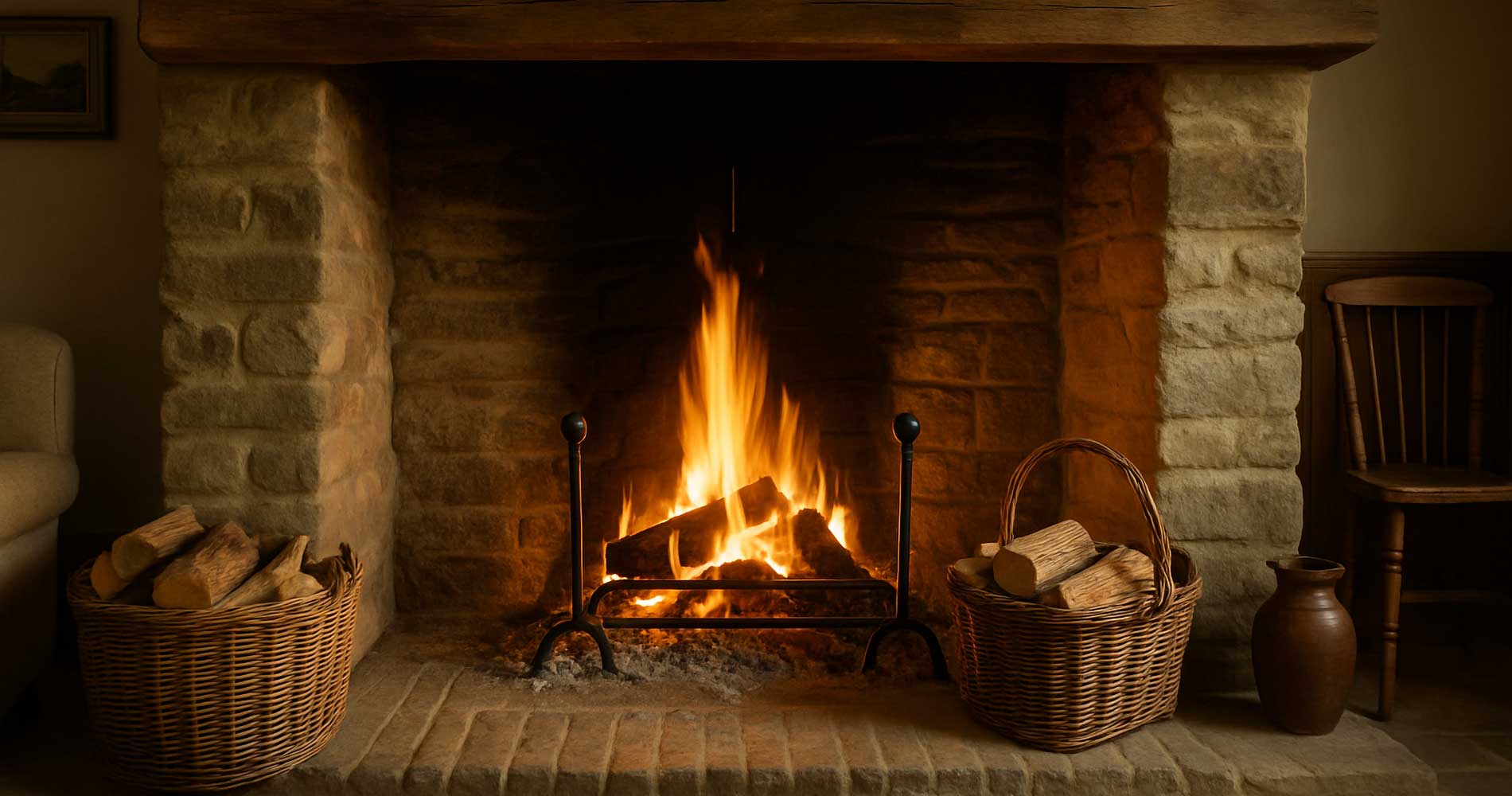
Not Just a Pretty Flame—Efficiency Matters More Than Ever
There’s something timeless about the gentle flicker of a fire. But if you're looking to combine that warmth with modern sensibility—something that won’t send your energy bills soaring or your conscience reeling—then energy-efficient fireplaces deserve your attention.
Whether you're planning a renovation or dreaming of adding a touch of warmth to your home, it helps to understand what makes one fireplace more efficient than another. Because trust us—it’s not all just flames and aesthetics. There's clever design behind those dancing embers.
What Does “Energy-Efficient” Actually Mean for Fireplaces?
When we talk about efficiency in fireplaces, we’re not just throwing around buzzwords. It’s about how well the fireplace converts fuel into usable heat—without wasting energy (or money).
- Open fireplaces: Surprisingly, these are the least efficient. A lot of the heat escapes straight up the chimney.
- High-efficiency units: These are sealed or closed systems that trap and radiate more heat into the room.
- Smart features: Timers, thermostats and remote control settings help limit energy use when it’s not needed.
So yes, efficiency is part tech, part design, and a whole lot of common sense. The right setup can keep your home warm and your bills lower.
Electric Fireplaces: The Quiet Overachievers
If you want warmth with the least amount of hassle, electric fireplaces are hard to beat. They're plug-and-play, with no combustion, so no smoke, no fumes—and crucially, no wasted heat. Nearly 100% of the electricity used is converted into heat.
- Perfect for smaller homes, flats or bedrooms where you need targeted warmth
- Many allow you to run the flame effect without any heat—ideal for visual comfort
- Often cheaper to run than gas or wood-burning alternatives, especially with energy-efficient settings
They’re not for everyone—you don’t get a real flame, and some people miss that. But for pure, focused efficiency, they’re a strong contender.

High-Efficiency Gas Fireplaces: Real Flame, Smart Tech
Modern gas fireplaces have come a long way from the clunky, yellow-glass boxes of the ‘90s. Today’s models can be sealed systems, drawing air from outside and radiating controlled, even heat through your home.
- Direct-vent units: Pull air in and push combustion gases out, preventing indoor pollution and heat loss
- Thermostat controls: Allow the fireplace to automatically turn off once the desired temperature is reached
- Remote and app control: Helps you manage energy use and cut waste when you’re away or asleep
They may require a bit more up-front installation work, especially if you’re venting through a wall—but for many homes, they strike the ideal balance between comfort and performance.
Wood-Burning Fireplaces: Old School with a Modern Twist
Ah, wood fires. Rustic, crackling, a bit romantic... and traditionally, not so great on efficiency. An open wood fire can lose more heat up the chimney than it gives off into the room. That said, all is not lost.
With the right design, you can still enjoy a real wood fire while dramatically improving its energy performance.
- Insert stoves: These fit into existing fireplaces and include sealed doors, better airflow, and much more controlled burn rates
- Ecodesign-ready stoves: These meet strict European regulations on emissions and efficiency
- Seasoned or kiln-dried wood: Burns cleaner and hotter than damp logs, with less waste
So yes, you can have that traditional feel—just with a much greener and smarter approach.
Pellet Stoves: A Little Genius in a Box
Think of pellet stoves as the clever, efficient cousins of wood burners. They use compressed pellets—usually made from sawdust or other wood waste—and burn them in a controlled, automated way.
- Incredibly efficient: Some models reach efficiency ratings above 80%
- Thermostat-controlled: Keeps the heat steady and avoids overuse
- Low emissions: Much cleaner than traditional wood fires or older stoves
They might not give you the same traditional vibe, but for heating on a budget (and with a conscience), they’re brilliant.
What to Look for When Shopping for an Energy-Efficient Fireplace
It’s easy to get dazzled by flame effects and sleek finishes. But if you’re serious about energy savings, here’s what to check before buying:
- Efficiency rating: Often listed as a percentage—aim for 75% or higher
- Heat output: Measured in kilowatts (kW). Choose the right output for your room size—too little and it won’t warm, too much and you’ll end up wasting energy
- Fuel type: Consider your access to gas, electricity, or wood—and your local energy costs
- Controls: Timers, smart thermostats, and zone heating features can make a big difference
- Installation costs and impact: Some “cheap” models cost a fortune to install or run inefficiently without extra kit
Think long-term. The right fireplace should feel like a good investment—not just now, but in five or ten years’ time.
A Few Easy Tweaks for Boosting Efficiency at Home
If you’ve already got a fireplace and you’re not quite ready for a full replacement, don’t worry—there are still ways to make things a bit greener and leaner:
- Add a fireback or heat reflector to push more warmth into the room
- Use a fireplace insert or upgrade the glass doors on an older model
- Seal up unused chimneys and check for draughts around flues
- Burn only dry, seasoned wood to reduce smoke and increase heat
- Install a ceiling fan to help distribute warm air more evenly
Sometimes, the smallest changes bring the cosiest results.
Final Thoughts: Warmth, Efficiency, and a Bit of Clever Thinking
A good fireplace does more than heat a room. It changes how you feel in a space. It becomes part of your routine, your comfort, your sense of home. And with so many energy-efficient options available today, you don’t have to choose between that lovely glow and being mindful of your energy use.
Whether you go electric, gas, pellet or wood—just choose wisely. Think about your space. Your habits. And the kind of warmth that makes you feel truly at ease.
Efficiency, after all, is really about getting the most out of something. And when it comes to your fireplace, that means maximum cosiness—with minimum waste.