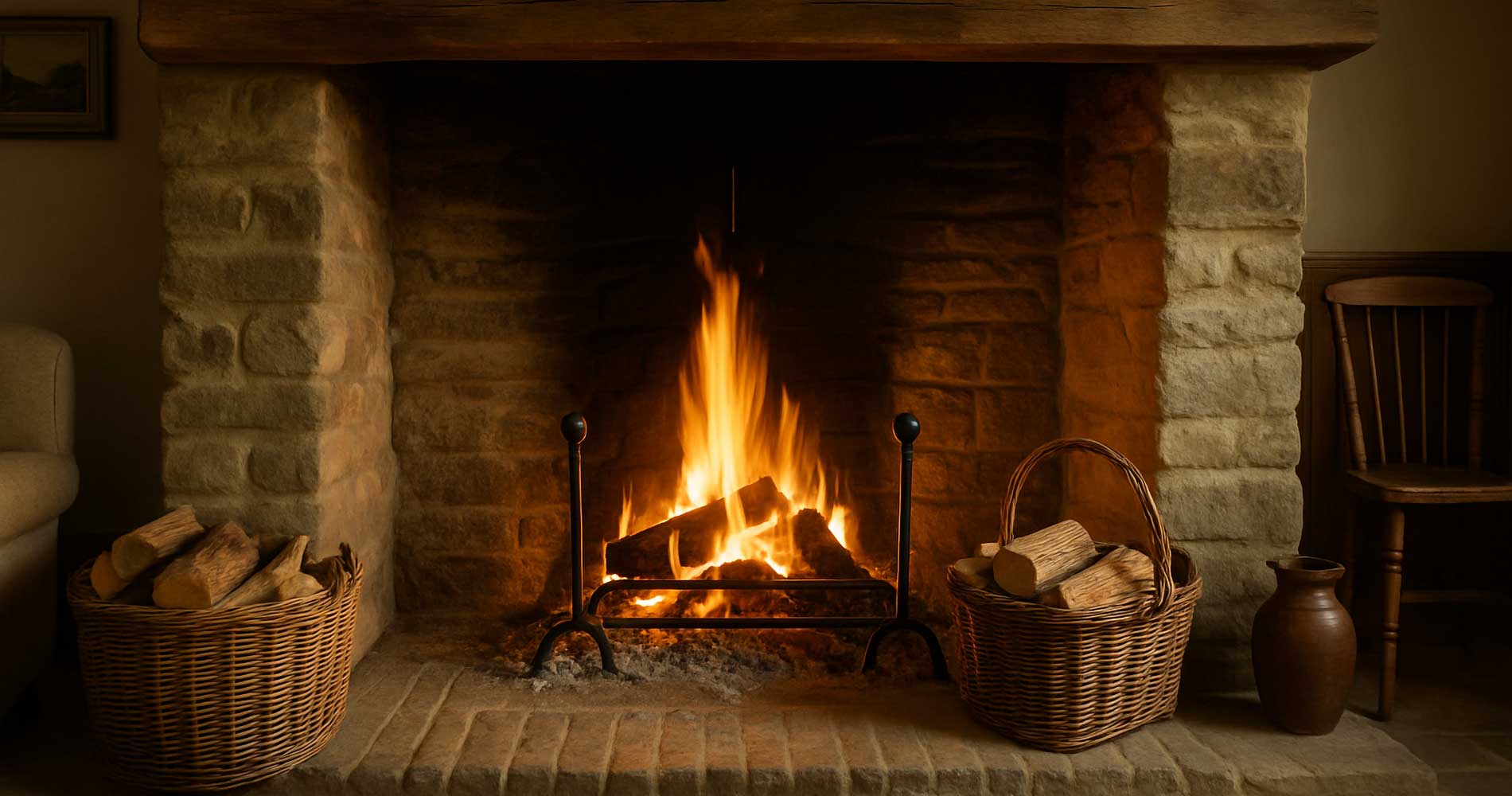
Welcome to Hearths That Think for Themselves
Imagine you're home after a long day, footsteps echoing, chill in the air—and with a simple voice command or tap on your phone, your fireplace springs to life. No matchsticks, no fuss. That’s intelligent fireplace control for you. It’s part convenience, part safety, and a touch of “wow, how clever.”
But don’t worry—this isn’t some sci-fi future. Smart controls for fireplaces are here, and they’re surprisingly easy to integrate. Let’s walk through what these systems do, what you might look for, and how they can transform your cosy evenings.
What Does "Intelligent Control" Actually Mean?
At its simplest, smart control means managing your fireplace automatically or remotely. It covers everything from starting your fire to monitoring safety and optimising warmth. Without you needing to hover.
- Smart ignition: Push-button or app-based lighting—no more matches or lighters
- Thermostatic control: Automatic flame adjustment to hold your ideal temperature
- Voice commands: Integration with Alexa, Google or Siri for hands-free operation
- Remote access: Control your fire from anywhere via your smartphone
- Safety sensors: Monitor oxygen levels, CO, glass temperature and shut down if needed
You get comfort. And confidence. With minimal effort.
Key Benefits of Smarter Fire Management
Why go smart? Because it makes your life better. Here's how:
- Convenience: App or voice control means you can turn your fireplace on while you're still in bed—or halfway home.
- Safety boost: Sensors can detect issues and automatically reduce the flame or cut gas—calming peace of mind.
- Consistency: Thermostatic setups maintain your chosen comfort—no sweaty surprise if the fire stays too hot.
- Energy efficiency: Automatically reduces output when it’s already warm—good for bills and planet alike.
- Accessibility: Great for anyone with mobility issues—no bending or reaching for switches.
It’s warmth that works with your life, not against it.

Which Fireplaces Work with Smart Controls?
Good news: lots of them. Whether your fireplace burns wood, gas or is electric, there are options.
- Modern gas units: Many already come with smart valves and remote-ready wiring.
- Electric fireplaces: Usually built for remote or app control—and easy to connect to smart hubs.
- Wood-burners: Less common—but you can install flue sensors or smart fans to improve airflow and safety.
- Retrofitted setups: Some aftermarket kits let you upgrade older units—adding smart ignition or thermostatic control.
So even if you’ve got a classic stove, you might still bring it into the smart era.
Must-Have Features in Smart Fireplace Systems
If you're shopping or upgrading, here are smart features worth tracking:
- Thermostatic scheduling: Set times and temperatures for automatic comfort
- Voice compatibility: Want to snuggle deeper? “Hey Google, light the fire.” Done.
- Safety alerts: Push notifications if something’s off—like high CO or low airflow
- Remote diagnostics: Check flame status, temperature, and warnings from anywhere
- Flame tuning: Adjust height, colour or intensity via app—cool but optional
These make your hearth feel alive—reacting to you, quietly and thoughtfully.
Installation and Integration Tips
You don’t need to be a wizard to set this up—but professional help is wise, especially with gas or smart wiring.
- Check controls included: Some fireplaces need extra modules for connectivity
- Partner with a certified installer: Especially for gas valves and sensors—safety first
- Match your home network: Make sure your Wi‑Fi reaches the fireplace (or use a mesh extender)
- Sync with home systems: If you already use smart thermostats or hubs, choose compatible tech
- Test everything: Run voice, app, scheduling, sensors—before you tidy the wires away
A little prep saves a lot of backtracking later.
Everyday Use: What It’s Like
Imagine this:
- It’s early morning—tap your app, and the fireplace begins to warm as you wander downstairs
- You leave the house—fireplace senses no one’s home and lowers output
- Return at dusk—reading your schedule, fireplace warms at just the right time
- You’re in the kitchen—“Alexa, lower lounge flame”—done without missing a beat
It’s not alien—just helpful. Like it’s thinking ahead so you don’t have to.
Potential Drawbacks to Consider
Nothing’s perfect. Smart systems bring benefits, but also a few wrinkles.
- Cost: Initial setup and installation can feel pricey—but often balanced by energy savings
- Reliance on Wi‑Fi: If your router goes down, so might your control—though most systems have backup manual options
- Complexity: There’s a learning curve. But most apps are intuitive once you poke around
Just be aware—and know you’re still in charge.
Tips for Choosing the Right Setup
Still curious? Here’s a quick shortlist before you buy:
- Decide your key feature: remote control, voice, thermostatic comfort, safety monitoring?
- Check compatibility: fireplace brand, app ecosystem, home hub
- Factor in safety: any additions must meet gas installation standards
- Ask about warranties and support: smart tech can be quirky—buyer assurance matters
A few questions go a long way to a smooth, clever setup.
Final Thoughts: A Hearth That Cares
The fireplace. It’s ancient, elemental, reassuring. But when paired with modern smarts, it becomes something more. Something inviting, intuitive, and safe.
Smart controls don’t replace the warmth—they enhance it. They let your hearth anticipate, protect, and adapt—so you can focus on what matters: the people you’re with, the moments you share, and the comfort you create.
So go ahead—add a touch of intelligence to your flames. Your fireplace might just become the most thoughtful member of your household.