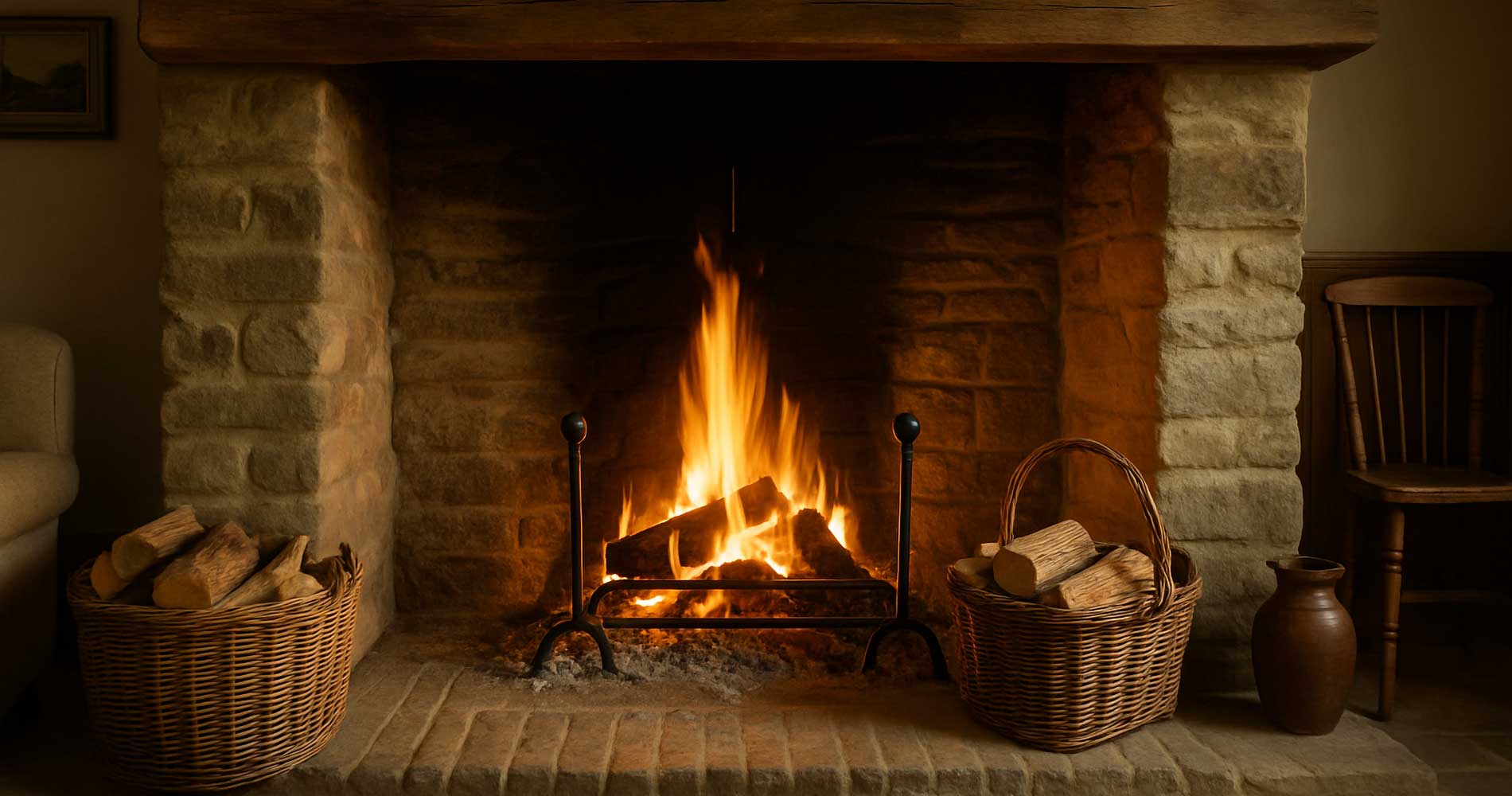
The Ashy Truth: Fireplaces Need Love Too
There’s something soothing about a roaring fire—until you’re left staring at a pile of ash, soot-covered bricks and a chimney that smells... not quite right. Cleaning a fireplace isn’t glamorous. It's dusty, awkward, and often overlooked. But a well-maintained fireplace burns better, smells fresher, and—most importantly—is a whole lot safer.
Luckily, you don’t need to dread the clean-up. With a few clever hacks and the right tools, you can tackle the mess without needing a hazmat suit or a degree in engineering. Ready to get your hearth back to its best? Let’s dig in—literally.
Why Bother Cleaning the Fireplace Anyway?
Fair question. It’s easy to ignore that growing pile of soot and pretend it’s part of the rustic charm. But here’s why regular cleaning really matters:
- Fire safety: Built-up soot and creosote can spark chimney fires. Not ideal.
- Efficiency: A clean fireplace draws better air, giving you more heat from less fuel.
- Air quality: Less ash and dust means better breathing for everyone in the room.
- Smell: That musty, burnt-wood aroma? It gets worse if you don’t keep things clean.
- Aesthetics: Let’s be honest—soot-streaked bricks and dusty logs don’t exactly scream “cosy”.
So yes, a bit of effort now saves you a lot of stress later. Plus, it’s deeply satisfying in that odd, grown-up kind of way.
Before You Start: Safety First
Right, before you go elbow-deep into the ash pit, take a moment to prep. Safety comes first—and your lungs and eyeballs will thank you later.
- Wait at least 12–24 hours after your last fire to let things cool down completely
- Wear old clothes and protective gloves (you’ll thank us)
- Use a dust mask and eye protection—especially when scrubbing or sweeping
- Lay down a dust sheet or old towel to protect your flooring and furniture
- Open a window for ventilation. Trust us, you’ll need it.
Once you’ve geared up, it’s time to get started.

Basic Tools You’ll Want in Your Fireplace Arsenal
Having the right tools turns a painful chore into a weirdly satisfying ritual. Here's what to stock up on:
- A small hand broom and metal shovel: Perfect for scooping ash neatly
- Fireplace ash vacuum: Specially designed to handle fine particles (do not use your normal hoover!)
- Wire brush or chimney brush: For scrubbing soot off the firebox walls or grates
- Spray bottle and vinegar solution: Cuts through soot and grime on bricks and glass doors
- Old toothbrush: Great for detailed scrubbing around edges and corners
- Bin bags: For ash, gloves, and anything you don’t want to wash afterwards
You don’t need a shed full of gear. Just a few good tools—and maybe a podcast to get you through it.
Cleaning Hacks That Actually Work
Let’s get down to business. Here’s how to clean your fireplace without turning it into a week-long drama.
- Ash hack: Sprinkle slightly damp coffee grounds over the ash before scooping. It helps trap dust so you don’t inhale a cloud.
- Glass door fix: Dip a damp cloth into fine ash and rub it on the glass. The ash acts as a mild abrasive and lifts soot beautifully.
- Vinegar spray: Mix equal parts white vinegar and warm water with a dash of washing-up liquid. Spritz it onto stained bricks or tiles and scrub gently with a stiff brush.
- Steam attack: Use a handheld steamer on really stubborn build-up. It’s oddly satisfying to watch it lift off in sheets.
- Lemon for the win: Rub a cut lemon on metal parts to remove rust and brighten dull areas. Bonus: it smells nice too.
Small tricks, big results. Sometimes even a 15-minute clean can make a huge difference to how your whole living space feels.
Don’t Forget the Chimney!
Here’s the bit no one wants to deal with—but absolutely should. A dirty chimney isn’t just unsightly. It’s dangerous. Creosote buildup is highly flammable, and nests or blockages can lead to smoke backing into your home.
- Use a chimney brush kit: These often come with extendable rods and a sturdy brush head
- Work from the bottom or top: If you’re confident and careful, you can DIY—just wear a dust mask and prepare for some mess
- Or call a pro: If your chimney hasn’t been cleaned in over a year, it's best to bring in a certified sweep
You don’t need to do it every week—but once a year? Non-negotiable. Put it on the calendar next to your dental check-up. Maybe even more important, depending on how often you light a fire.
Quick Tips to Keep It Cleaner Between Deep Cleans
No one wants to deep-clean their fireplace every weekend. Thankfully, a few habits go a long way:
- Only burn dry, seasoned wood—it produces less soot and ash
- Empty ash when it reaches about 3–5cm deep—any more, and it insulates the fire badly
- Wipe down glass doors weekly with a soft cloth or vinegar spray
- Give grates and tools a quick once-over after each use
- Close the damper when the fireplace is not in use to stop dust and debris coming down
A tidy hearth is a happy hearth. (And one that smells a lot less like last month’s bonfire.)
Final Thoughts: Cleaning Might Not Be Fun, But the Result Is Worth It
Look, cleaning a fireplace isn’t going to make your highlight reel. But it will make those moments spent around the fire that much better. No choking smoke. No musty smells. Just warmth, light, and the quiet pride of knowing your fire is running cleaner and safer.
Plus, once you've cracked your own routine—found your favourite scrub brush, maybe even put on a weirdly motivating playlist—it can feel surprisingly therapeutic. Like giving your home a proper bit of care.
So next time you're tempted to shut the doors and pretend the soot doesn't exist—don’t. You’ve got the tools. You’ve got the hacks. You’ve got this.