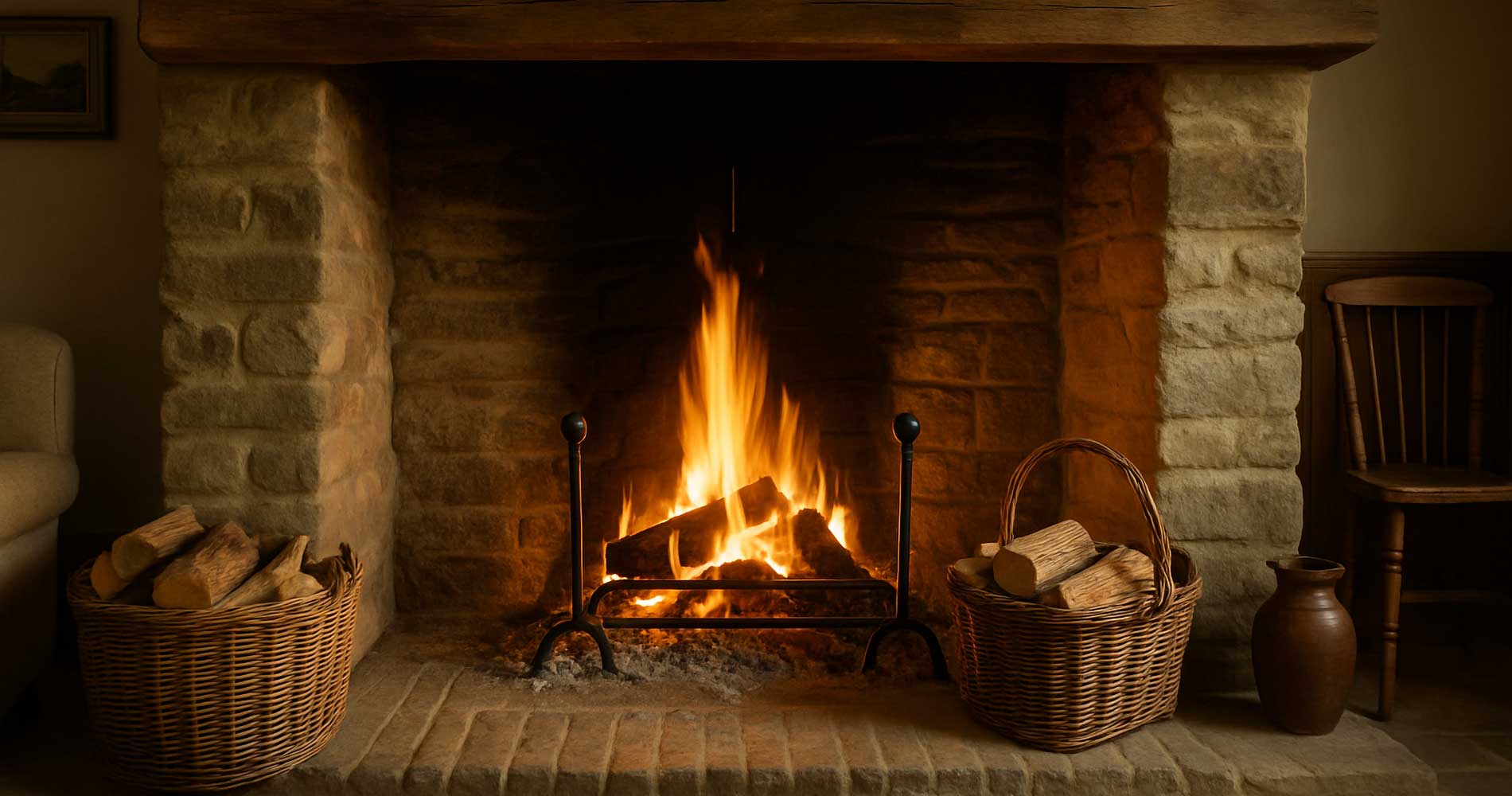
More Than Just Looks—Fireplace Design Shapes Warmth
Fireplaces. They’re charming, nostalgic, and instantly lift the feel of a room. But here's the rub: just because you can see the flames doesn’t mean you're actually getting much heat. In fact, depending on how your fireplace is built, you could be losing more warmth up the chimney than you realise.
The truth is, fireplace design isn't only about style or symmetry. The shape, size, depth—even the material—can massively influence how much heat stays in your room and how much escapes into the sky.
So let’s have a proper look at what’s going on behind that cosy glow—and how you can nudge your setup into something that keeps your toes toasty and your energy bills a little less terrifying.
Why Traditional Open Fireplaces Lose So Much Heat
Let’s start with the classic open fireplace. Beautiful? Yes. Atmospheric? Definitely. But efficient? Not even close.
- Most of the heat goes up the chimney: As much as 80–90% of the energy can be lost this way.
- Room air gets sucked in: Fire needs oxygen, which often means warm air from your living space is pulled into the fire and sent outside.
- Draughty by nature: Even when not in use, an open chimney acts like a vent, letting precious warmth escape.
That crackling log fire might look the part, but unless the design works with the heat, not against it, you’re likely not feeling the full benefit.
How Fireplace Design Shapes Heat Efficiency
Not all fireplaces are created equal. Here are a few key design features that directly influence how much heat you actually feel:
- Firebox depth and shape: A shallow firebox radiates more heat forward, while a deep one traps it inside.
- Chimney flue size: If it’s too wide, you lose heat. Too narrow, and smoke backs up. Getting it just right makes a difference.
- Building materials: Stone and brick absorb and retain heat, then release it slowly. Metal inserts reflect heat straight out into the room.
- Grate height: A raised grate might look traditional, but it often means heat escapes before it gets a chance to warm the room.
You can’t always change your entire fireplace, but knowing how it’s built helps you make smarter tweaks.
Simple Upgrades That Can Boost Your Fireplace’s Heat Output
You don’t need to rebuild from scratch to improve your fireplace’s efficiency. Here are a few upgrades that pack a punch:
- Install a fireback: A cast iron or steel panel placed at the back of the fireplace reflects heat into the room.
- Use a fireplace insert: These enclosed boxes with glass fronts trap and radiate heat far more effectively than open fires.
- Add a grate heater: These pull air in, heat it, and push it out—great for circulating warmth.
- Seal and insulate the chimney: When not in use, a chimney balloon or damper prevents draughts.
- Burn seasoned hardwood: Dry, dense logs burn hotter and cleaner than damp, soft wood.
A few of these upgrades can make a dramatic difference—even if your fireplace is more decorative than dynamic at the moment.
Considering a Stove or Insert? Here’s Why They Work Better
If you’re planning a more permanent solution, switching to a stove or high-efficiency insert can give you better control over your heating—and your spending.
- Stoves: Whether wood, gas, or pellet-fuelled, stoves are sealed and designed to radiate heat steadily over hours.
- Inserts: These fit inside existing fireplaces, turning inefficient open hearths into closed, efficient heat machines.
- Fans and blowers: Many models include these to distribute heat evenly and quickly throughout the room.
Yes, it’s more of an investment up front—but you’ll notice the warmth. And you’ll probably stop having to wear a jumper inside your own home.
Don’t Forget the Chimney
A badly maintained chimney can undo all your good work. Heat literally vanishes if the flue isn’t right or if it’s pulling too hard.
- Annual sweep: Removes creosote and blockages, keeping airflow steady and safe.
- Check the flue: Make sure it’s the right size for your fireplace. You can consult a chimney specialist if needed.
- Add a damper: This lets you control airflow while the fire is burning and seal it when it’s not.
Don’t underestimate airflow—it’s the invisible hand that determines how well your fireplace performs.
Other Tricks to Keep More Heat In
Finally, let’s talk about the room itself. You can help your fireplace do its job better with a few household tricks:
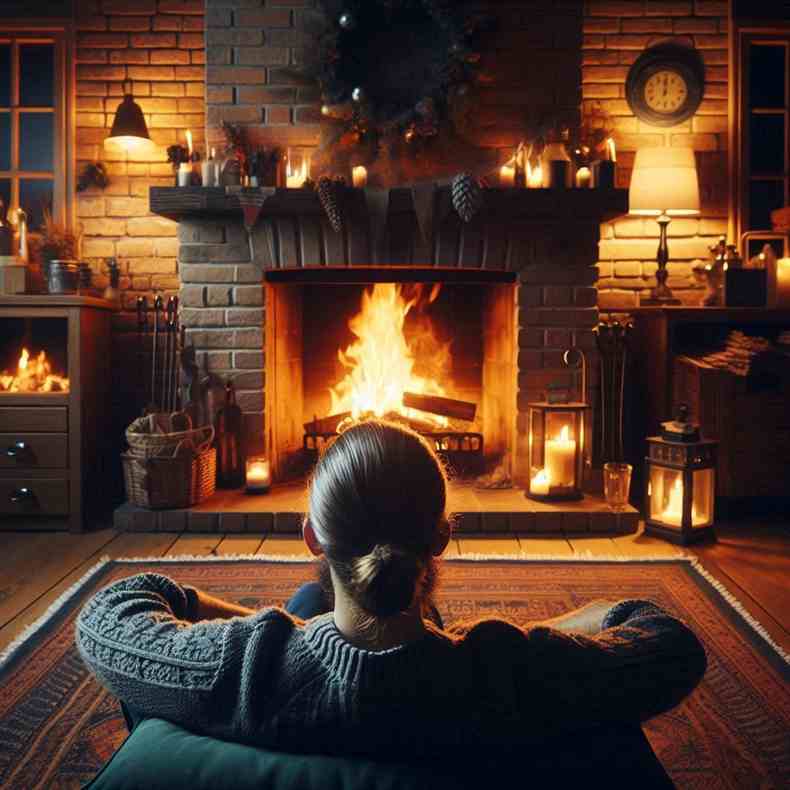
- Use rugs on hard floors: They stop warm air from escaping through cold surfaces
- Draw the curtains: Keep heat in and cold air out, especially in the evenings
- Position furniture thoughtfully: Don't block warm air or sit too far from the heat source
- Add mirrors: Strategically placed mirrors can help reflect warmth and light around the room
Small changes. Big difference. It’s all about thinking holistically—not just about the fire itself, but the space it lives in.
Final Thoughts: Design That Does More Than Look Good
Fireplaces are one of those things that feel simple—but the way they work is anything but. Design really does matter. A bit too deep, a bit too open, and you’re pouring warmth out into the winter sky. But with a few clever adjustments—some simple, some a bit more involved—you can turn your fireplace into a genuine heat source, not just a pretty background.
And there’s something truly satisfying about knowing the heat you're feeling isn’t just for show. It’s working. Efficiently. Intentionally. Thoughtfully.
So if you’ve been wondering why your fireplace doesn’t quite warm the room the way it should—maybe now you know where to start. It’s not just the fire. It’s the whole design, and how you bring it to life.