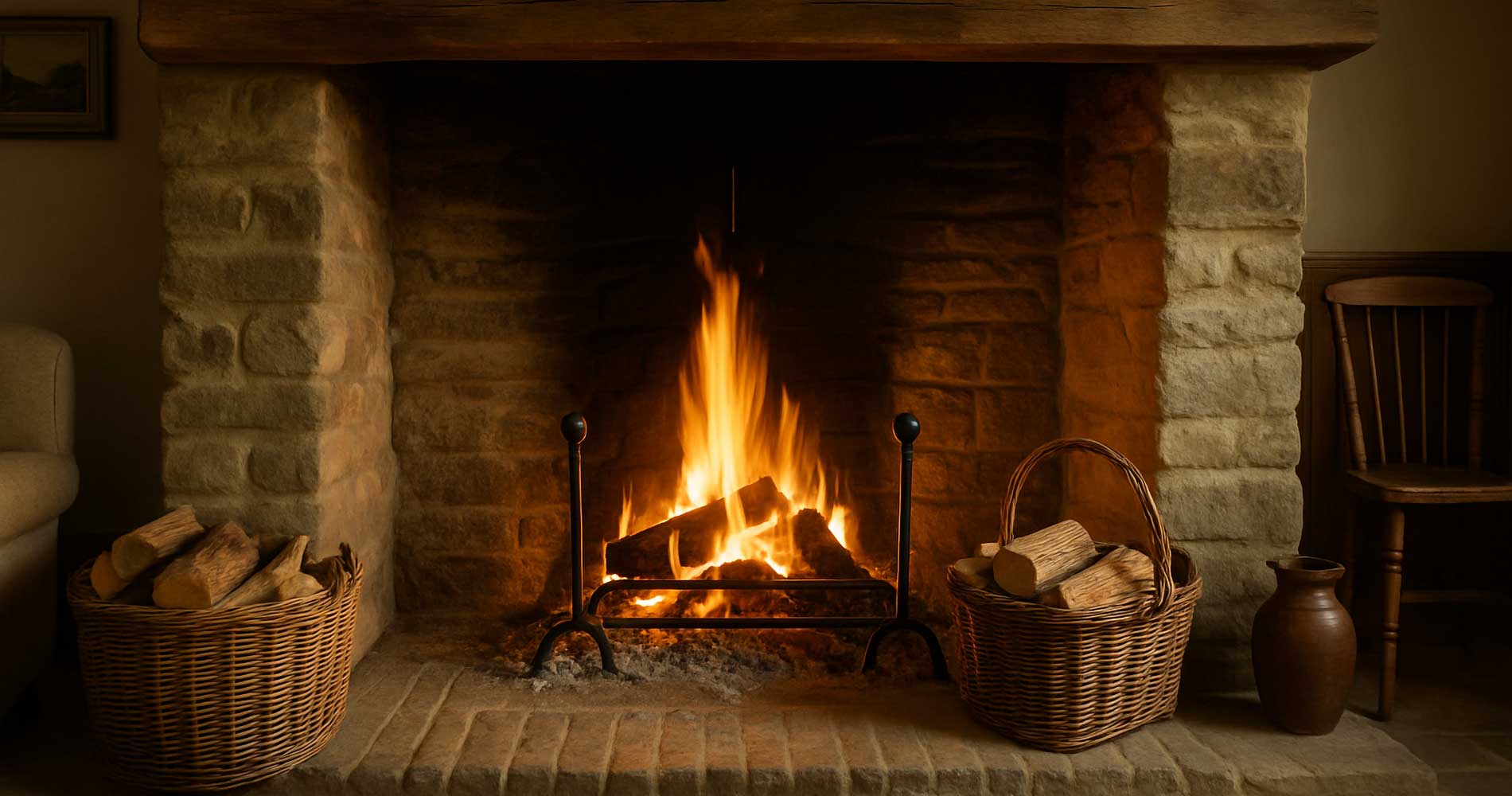
Because the Stuff You Build It With... Builds the Feeling
Let’s be honest — a fireplace isn’t just a hole in the wall that spits out heat. It’s a presence. A mood-setter. The heartbeat of a room. And what it’s made of? That’s not a technical detail — it’s a big part of what makes your home feel like, well, *home*.
The material you choose for your fireplace doesn’t just shape how it looks. It affects the heat it gives off, the way it wears over time, and the message it sends every time someone walks into the room and sighs with relief. This is about more than style. It’s about atmosphere, emotion, even health.
So whether you’re dreaming up a brand-new design or giving your old hearth a well-earned refresh, here’s the low-down on the top fireplace materials — wood, stone, and a few surprises in between.
Stone: The Ancient Classic
There’s something undeniably grounding about stone. Maybe it’s the history — we’ve been building hearths from stone for thousands of years. Or maybe it’s just the way it makes a room feel solid. Rooted. Real.
- Limestone: Soft, pale, and versatile. Lovely for calm, neutral spaces. A little more porous, so not ideal if you’re clumsy with red wine.
- Granite: Durable and heat-resistant. It can handle just about anything you throw at it — logs, embers, rogue kids’ toys.
- Slate: Dark and dramatic. Perfect if you like a moody, modern vibe. Also surprisingly low maintenance.
- Fieldstone: That charming, cottagecore look. Every piece is unique, which means your fireplace will be too.
Stone gives a weighty, comforting presence. It can feel rustic or refined depending on the cut and finish — and it’s a brilliant insulator. If you’re the type who loves to curl up near something that radiates warmth long after the flames die down, stone’s your friend.
Wood: Warm, Familiar, and a Bit Romantic
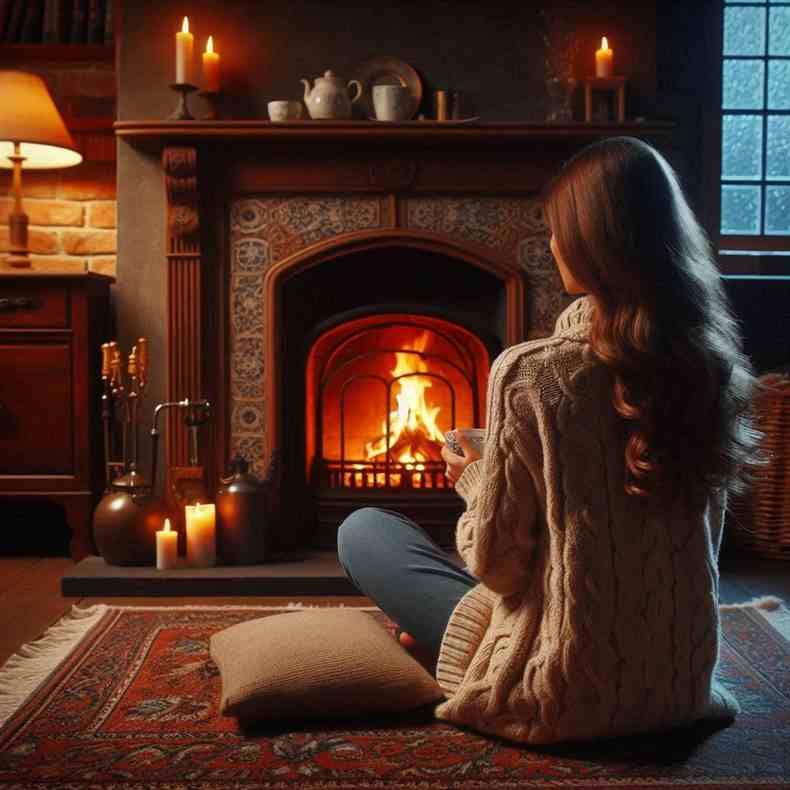
Wood mantels have a way of softening a room. They bring in a bit of nature, a bit of warmth — and if they’re aged or reclaimed? Even better. There’s history in every scratch and knot. It's like having a quiet story told to you every time you pass by.
- Oak: Strong, stable, and classic. Hard to go wrong with oak — it’s dependable and timeless.
- Reclaimed timber: Eco-friendly and full of character. Bonus points if it came from a barn or old ship. (Or at least sounds like it did.)
- Painted wood: A bit more playful — lets you match or contrast with your walls. Great for freshening up older surrounds.
One thing to remember: wood is combustible. It should never be used as part of the firebox itself. Keep it at a safe distance and work with a qualified installer to make sure everything’s up to code. After all, we want warmth, not drama.
Brick: Honest and Unpretentious
Ah, brick. Reliable. Understated. Endlessly adaptable. Whether you're into the exposed red kind that makes you think of New York lofts or the painted white version that screams cosy countryside, brick has a place in almost every kind of home.
- Durable and heat-resistant: Brick was made for fire. Literally.
- Works well with both traditional and modern interiors: It's like the jeans of fireplace materials.
- Easy to clean and maintain: Especially if sealed properly.
If you want something that doesn’t demand attention but still quietly anchors the space, brick might be your best bet. It's not trying too hard — and that’s part of the charm.
Concrete: Cool, Modern, and Surprisingly Inviting
Concrete might not be the first thing that springs to mind when you think “cosy,” but hear me out. With the right finish — smooth, matte, even polished — concrete can be incredibly warm. In a minimalist, no-nonsense sort of way.
- Completely customisable: Shape, size, colour — it’s all up to you.
- Good thermal mass: Holds heat well, making it efficient and effective.
- Pairs beautifully with glass, wood, and metal: Great for those balanced “soft-industrial” vibes.
If you love clean lines, open space, and that feeling of calm you get from simplicity, concrete could be just the material to tie it all together.
Metal: Sleek, Shiny, and a Bit Edgy
Metal fireplaces are less common in traditional British homes, but they’re gaining popularity — especially in flats or more urban spaces where space-saving and statement-making go hand in hand.
- Steel: Modern and matte, it works in both black and brushed finishes.
- Copper: Warmer and more unusual — develops a lovely patina over time.
- Cast iron: A nod to Victorian stoves, with excellent heat retention.
Metal can make a room feel bold and confident — but it’s not for the faint-hearted. Use it to create contrast, or let it take centre stage. Either way, it’ll hold its own.
Combining Materials: Why Pick Just One?
Sometimes, the magic happens in the mix. Stone and wood. Brick and metal. Concrete with a wooden shelf. These combinations can bring balance — softness with strength, texture with smoothness.
- Wood + stone: Nature meets nature. A calming, earthy pairing that works just about anywhere.
- Brick + steel: Adds a little urban grit to a more traditional base.
- Concrete + timber: Feels modern but still rooted in warmth.
If your home (or heart) can’t settle on just one vibe — mixing materials can help you create a fireplace that reflects your real-life complexity. Which is, let’s face it, far more interesting than matching everything perfectly.
Final Thoughts: Let the Material Match the Mood
At the end of the day, your fireplace material should support more than your design goals. It should support you. Your routines. Your sense of safety. Your love of Sunday afternoons with a cup of tea and zero obligations.
So take your time. Run your hands across stone. Knock on timber. Picture how each surface might look in the evening glow. Then pick the one that feels most like home.
After all, it’s not just about what your fireplace is made of. It’s about how it makes you feel when you sit beside it. And that, my friend, is what matters most.